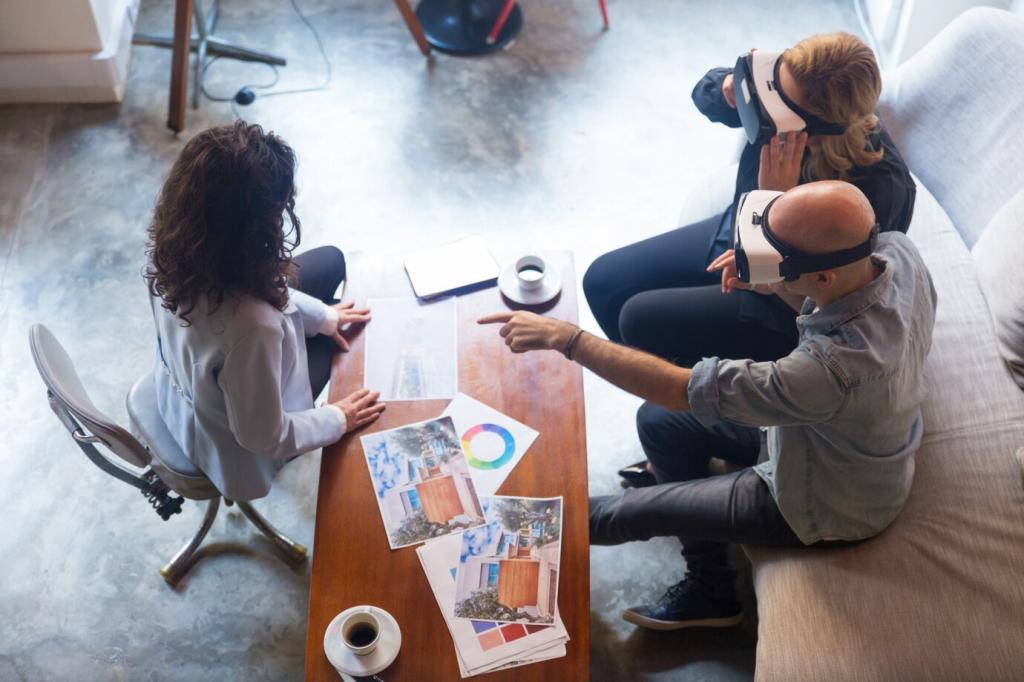


Color Theory and Urban Aesthetics: Seeing Cities Anew

Chosen theme: Color Theory and Urban Aesthetics. Step into a city painted with intention—where hue, light, and material guide our emotions, choices, and memories. Explore how color turns streets into stories, and subscribe to follow this evolving palette of urban life.

Complementary Contrast in Everyday Motion

Cities love complementary pairs because they snap attention into focus: red against green at crosswalks, blue signage popping on orange brick, orange safety vests shining against steel-gray worksites. Share a photo where a complementary contrast helped you notice something important faster.

Analogous Harmony for Neighborhood Identity

Analogous palettes stitch streets together: terracotta, rust, and brick bloom into a warm corridor; sage, teal, and sea-glass unify a waterfront. These close neighbors on the color wheel whisper continuity. Which analogous colors define your block? Comment and tell us why they feel like home.

This is the heading

Lorem ipsum dolor sit amet, consectetur adipiscing elit. Ut elit tellus, luctus nec ullamcorper mattis, pulvinar dapibus leo.

This is the heading

Lorem ipsum dolor sit amet, consectetur adipiscing elit. Ut elit tellus, luctus nec ullamcorper mattis, pulvinar dapibus leo.

Material and Light: The Real-World Behavior of Hue

East-facing stone can blush peach at sunrise, then settle to cool gray by noon. A supposedly neutral palette may glow or dull depending on grain and polish. Track your street at three times of day and post your observations; we’ll feature the most surprising shifts.

Material and Light: The Real-World Behavior of Hue

After rain, saturated pigments deepen while streetlights mirror into puddles, doubling color presence. A mural’s cobalt becomes velvet, asphalt turns graphite, and window glass picks up neon like brushstrokes. Have a rain-soaked city moment? Share it—we’re curating a reader gallery of reflective hues.


Color as Collective Memory

Murals borrow school colors, corner stores echo team palettes, and historic districts conserve original pigments. These ties aren’t accidental—they anchor belonging. Which local colors feel sacred where you live? Tell us and help build our community color lexicon.

Festivals as Temporary Palettes

Street festivals re-saturate neighborhoods with ribbons, lanterns, and textiles, proving how temporary color can reshape mood. When decorations leave, traces linger in photos and minds. What festival hue transformed your sense of place, even after cleanup? Share your memory and subscribe for our festival color map.

Designing for Everyone: Cultural Respect and Access

Inclusive palettes consider cultural symbolism and visual accessibility, including color-vision differences. Good design pairs meaning with clear contrast so no message relies on hue alone. Post an example where design honored culture and readability—we’ll spotlight thoughtful precedents.

Wayfinding, Safety, and the Art of Being Clear

Readable signs lean on strong light-dark contrast, not just bright color. Matte finishes cut glare, while bold typographic layers preserve clarity. Try timing your own wayfinding: did clear contrasts shorten your route? Comment with results and we’ll compile a community benchmark.

From Concept to Corner: A Practical Palette Exercise

Reading the Existing Colorscape

Start with inventory: brick tones, shop awnings, tree canopies, asphalt sheen, and sky reflections. Note seasonal shifts and busiest hours. Which colors already carry identity? Post your field notes—our next newsletter will adapt them into a live case study.

Selecting a Palette with Purpose

Choose an analogous base for continuity, add a complementary accent for landmarks, and keep one neutral anchor for calm. Test swatches outdoors at different times. Share your trio-plus-neutral combo in comments; we’ll sketch overlays and credit your palette.

Feedback, Iteration, and Adoption

Invite residents to react to mockups. Listen for words like safe, warm, confusing, or loud. Revise saturation and contrast before any paint dries. Subscribe to join our open critique session—your voice can literally color the next corner.

Sustainability and the Life of Color

Light roofs and pavements reflect sunlight, lowering heat buildup and changing how adjacent colors read. Pair cool surfaces with shaded greens to soften glare. Have you noticed a cooler-feeling street after resurfacing? Tell us, and subscribe for our microclimate color guide.
Precisionmaf
Privacy Overview

This website uses cookies so that we can provide you with the best user experience possible. Cookie information is stored in your browser and performs functions such as recognising you when you return to our website and helping our team to understand which sections of the website you find most interesting and useful.