
Urban Landscape Photography Techniques: See the City Anew

Chosen theme: Urban Landscape Photography Techniques. Step into the streets with fresh eyes and a tuned creative compass. From sunrise glow to neon nights, we’ll craft photographs that feel alive, purposeful, and distinctly urban. Subscribe and join our community of city storytellers who swap tips, locations, and honest feedback.

Golden Hour Windows and Tall Shadows

During golden hour, low sun angles kiss facades, deepening textures while stretching shadows like stage curtains across the pavement. Meter for highlights and let shadows breathe to preserve drama. Notice how windows echo the sky’s warmth. Share your favorite golden-hour street corner in the comments below.

Blue Hour Balance and Mixed Color Temperatures

Blue hour pairs cobalt skies with sodium and LED streetlights, testing your white balance discipline. Shoot RAW, bracket exposures, and experiment with Kelvin settings to find a believable harmony. What Kelvin value works for you downtown? Post your go-to setting and a sample frame for others to try.

Neon Nights, Reflections, and Practical Stability

Neon signs and wet pavements create painterly reflections that beg for longer shutter speeds. Stabilize with a compact tripod, clamp, or a beanbag on railings. Use the two-second timer or remote release. Tag us with your neon reflection experiments so we can feature your results and discuss refinements.

Compositions That Lead the Eye

Let crosswalks, curb edges, tracks, and light trails funnel the eye toward your subject. Lower your vantage point to strengthen convergence. Keep horizons honest unless you’re intentionally playing with tilt. Drop your favorite leading-line location and lens choice to help fellow readers scout effectively.

Compositions That Lead the Eye

Architectural frames concentrate attention and create context. Shoot through arches, stairwells, or open bus doors to layer story and scale. Try a short telephoto to compress background details. Have a hidden overlook or bridge cutout you love? Share coordinates or hints so others can explore respectfully.

Silky Traffic and Tail-Light Calligraphy

For tail-light ribbons and silky flow, start around two to eight seconds, using ISO 100 and a stopped-down aperture. Add a three-stop ND if necessary. Compose from a safe, elevated sidewalk or pedestrian bridge. Post your favorite shutter–aperture combo and location so others can learn responsibly.

Intentional Blur for Human Energy

At 1/10 to 1/4 second, pedestrians become gestures rather than portraits, suggesting rhythm without revealing identity. Anchor the scene with a static element to maintain structure. Try panning cyclists at 1/15. Share your blur experiments and describe what rhythm or routine you wanted the motion to communicate.

Freezing Motion with Crisp Timing

To freeze dancers, skaters, or birds between towers, use 1/1000 or faster and continuous autofocus. Anticipate patterns, pre-focus where action peaks, and shoot short bursts. What timing cue helped you nail a decisive moment? Leave a tip that others can test during their next evening walk.

Gear and Settings That Work in Cities

Ultra-wide lenses dramatize height and interior volume; mind edge distortion by keeping the camera level. A 35 or 50 gives natural perspective for storytelling. Telephotos compress layers to reveal rhythm between façades. Tell us which focal length defines your city voice and why it suits your approach.
A travel tripod, compact clamp, or even a folding stool can stabilize discreetly. Avoid blocking paths, follow posted rules, and be ready to move. If security asks, cooperate kindly. Share your most portable stabilization trick so others can capture steady frames without disrupting the city’s flow.
Use single-point AF for precise architectural edges and back-button focus to lock. For deep scenes, calculate hyperfocal distance or employ focus stacking sparingly. In low light, switch to manual with magnification. What sharpness routine gives you consistent results? Drop your checklist for fellow readers.

Weather as Your Creative Collaborator

After rain, puddles mirror neon and billboards, turning alleys into portals. Pack a microfiber cloth, lens hood, and a thin garbage bag to shield gear. Try crouching for symmetrical reflections. Post your best rainy-night frame and the exact moment you pressed the shutter, explaining your timing choice.

Respect, Safety, and Urban Storytelling Ethics

Know the difference between public sidewalks and privately owned plazas. Some buildings restrict tripods or commercial-looking gear. A friendly hello can open doors. Keep ID handy and follow instructions. Share your experience obtaining a permit or negotiating access so others can replicate your respectful approach.

Respect, Safety, and Urban Storytelling Ethics

Even in wide cityscapes, people give scale and heart. Avoid intrusive behavior, especially with children or sensitive contexts. When in doubt, ask. A simple thank-you matters. Describe a time you adjusted your composition to protect someone’s dignity while still capturing the essence of the scene.
Use transform tools to straighten key verticals, but leave a whisper of convergence if it preserves scale and drama. Correct halos with careful masking. Post a before-and-after demonstrating subtle correction, and explain how you decided where authenticity ends and overcorrection begins in your urban landscapes.

Post-Processing for Authentic Urban Tones

Shape mood with selective color: cool shadows, warm windows, and restrained saturation for believable neon. Calibrate monitors and soft-proof for print. Share a LUT or preset philosophy, and invite readers to download your sample settings for constructive critique focused on Urban Landscape Photography Techniques outcomes.

Post-Processing for Authentic Urban Tones

Scouting, Timing, and Building Your Urban Projects

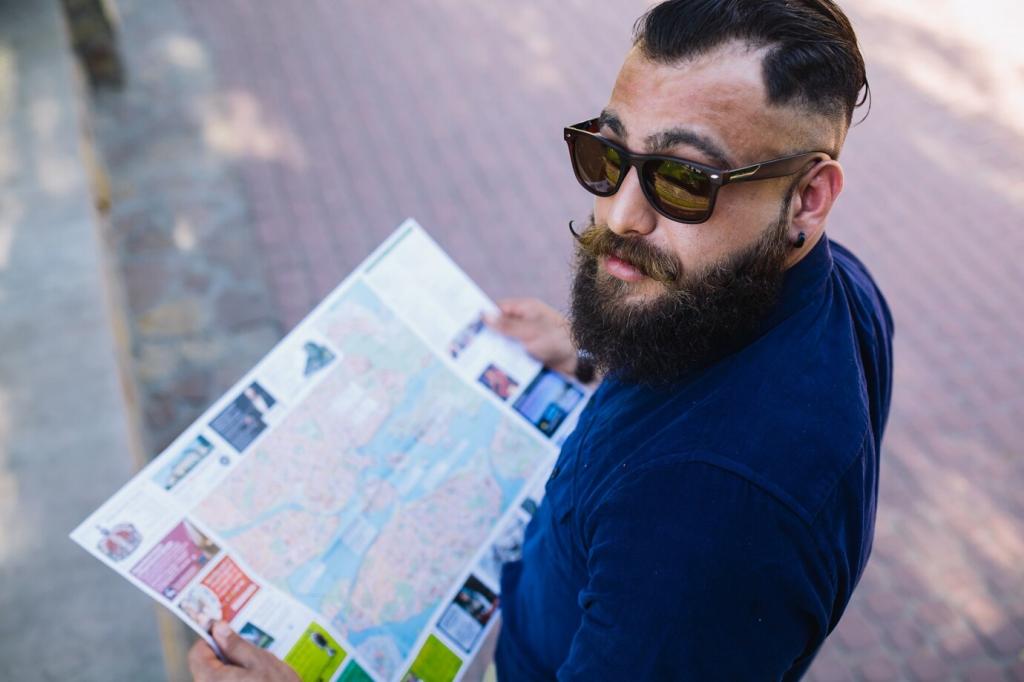
Use maps, satellite views, and photo apps for sun angles. Walk potential routes at different times to test light and crowds. Keep a pocket notebook of micro-locations. Share one underrated overlook or alley that rewards patience, and invite others to add theirs to our collaborative map.
Precisionmaf
Privacy Overview

This website uses cookies so that we can provide you with the best user experience possible. Cookie information is stored in your browser and performs functions such as recognising you when you return to our website and helping our team to understand which sections of the website you find most interesting and useful.